Do Solar Panels Damage Roofs in Glasgow?
Solar panels do not damage roofs when they are correctly installed and properly maintained. However, the risks of installation-related damage are real if the work is carried out by an inexperienced contractor, on a roof that is already in poor condition, or without appropriate regard for Glasgow’s specific climatic conditions and the characteristics of the city’s diverse roofing stock.
Solar panels have become an increasingly common sight across Glasgow’s rooftops in recent years. From the sandstone terraces of Shawlands and Pollokshields to the detached homes of Bearsden, Milngavie, and Newton Mearns, photovoltaic installations are appearing on properties of all ages and styles throughout the city. With rising energy costs and growing environmental awareness, many Glasgow homeowners are considering solar panels as a practical long-term investment. However, a question that arises consistently is whether solar panels can cause damage to the roof on which they are installed.
The straightforward answer is that when solar panels are correctly specified, installed by a qualified contractor, and properly maintained, they should not damage your roof. However, several factors specific to Glasgow’s climate, housing stock, and roof types can influence this outcome. This article examines the key considerations for Glasgow homeowners.
How Solar Panels Are Fixed to a Roof
Standard Roof-Mounted Systems
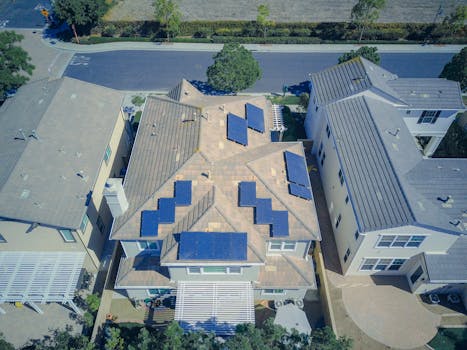
The most common type of solar installation in Glasgow and across the west of Scotland is the roof-mounted system, in which panels are fixed to a metal racking framework that is itself attached directly to the roof structure. This typically involves drilling through the existing roof covering — whether slate, concrete tile, or fibre cement — and bolting the mounting brackets to the underlying timber rafters. Flashing kits are then fitted around each penetration point to create a weathertight seal and prevent water ingress.
When carried out correctly by a qualified and experienced installer, this process does not inherently weaken or damage the roof. The penetration points are sealed to a professional standard, and the additional load imposed by the panels is, in most cases, well within the structural capacity of a standard residential roof.
In-Roof and Integrated Systems
In-roof solar systems, where the panels replace a section of the existing roof covering rather than sitting above it, are an alternative option that avoids the need for surface penetrations. These systems are particularly popular on new-build properties and full roof replacements across developments in areas such as Cambuslang, Thornliebank, and Clarkston. Integrated systems can be aesthetically preferable and, when installed as part of a planned re-roof, carry a lower risk of installation-related damage.
Potential Risks and How They Apply in Glasgow
Glasgow’s Climate and Weather Conditions
Glasgow’s climate presents specific challenges for rooftop solar installations. The city receives higher levels of rainfall and wind exposure than many other parts of the United Kingdom, and this must be taken into account when panels are being specified and installed. Poorly sealed mounting points can allow wind-driven rain to penetrate beneath the roof covering, leading to water ingress, timber rot, and damage to internal ceilings — issues that can be both costly and disruptive to repair.
It is therefore essential that any solar installation in Glasgow is carried out using high-quality flashing components and by an installer with demonstrable experience working on west of Scotland properties, where exposure to the elements is considerably more severe than in many southern parts of the country.
Older Roof Structures and Traditional Materials
Slate Roofs in Glasgow’s Victorian and Edwardian Properties
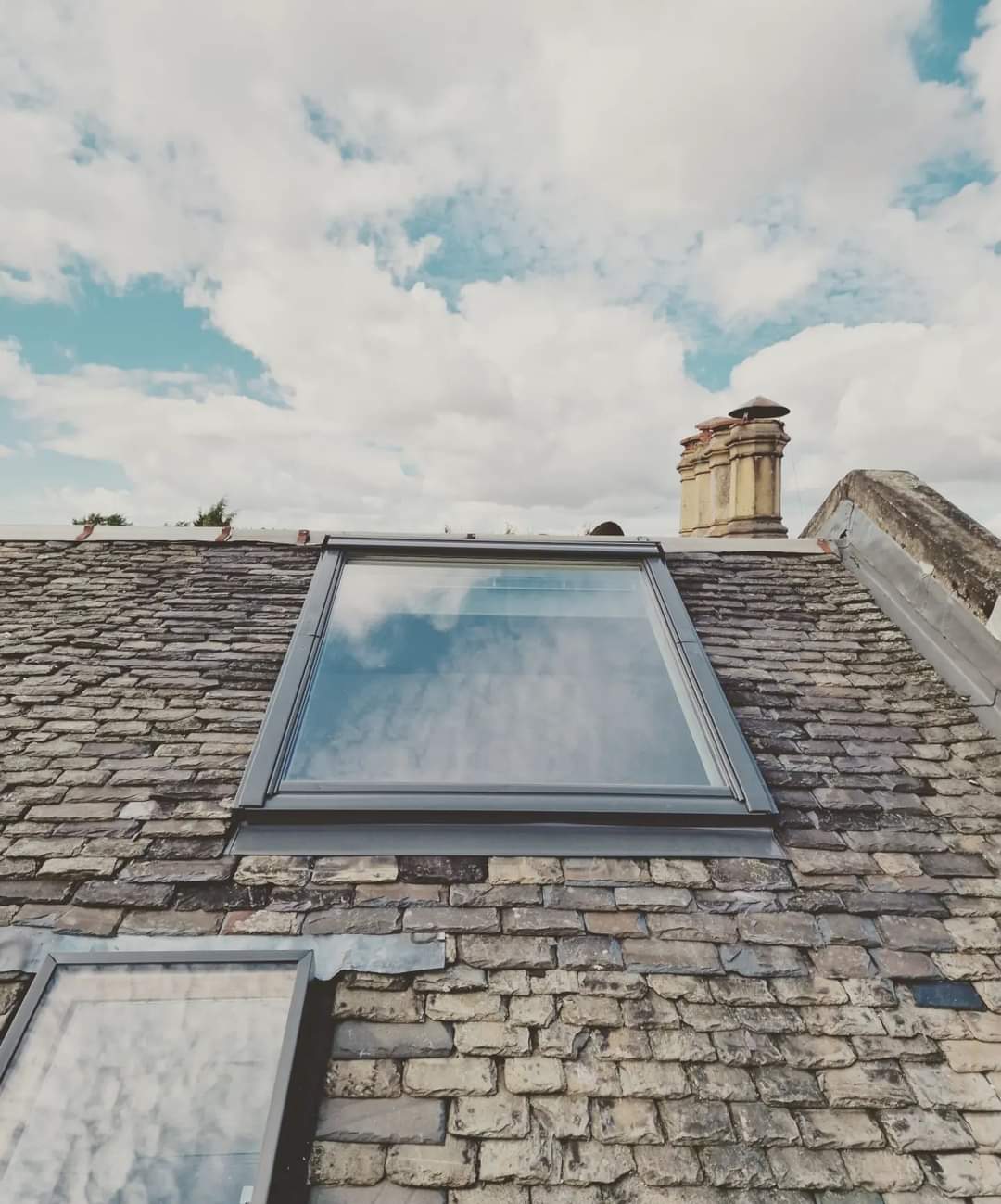
A significant proportion of Glasgow’s housing stock consists of Victorian and Edwardian properties roofed with natural slate — particularly in areas such as Hyndland, Dowanhill, Kelvinside, Dennistoun, and Strathbungo. Natural slate is a durable and long-lived material, but it is also brittle and can crack under foot traffic or the mechanical pressure of drilling. Any solar installation on a slate roof in Glasgow requires an installer who is experienced in working with this material, as careless handling during the installation process can result in cracked or dislodged slates, creating immediate vulnerabilities to water ingress.
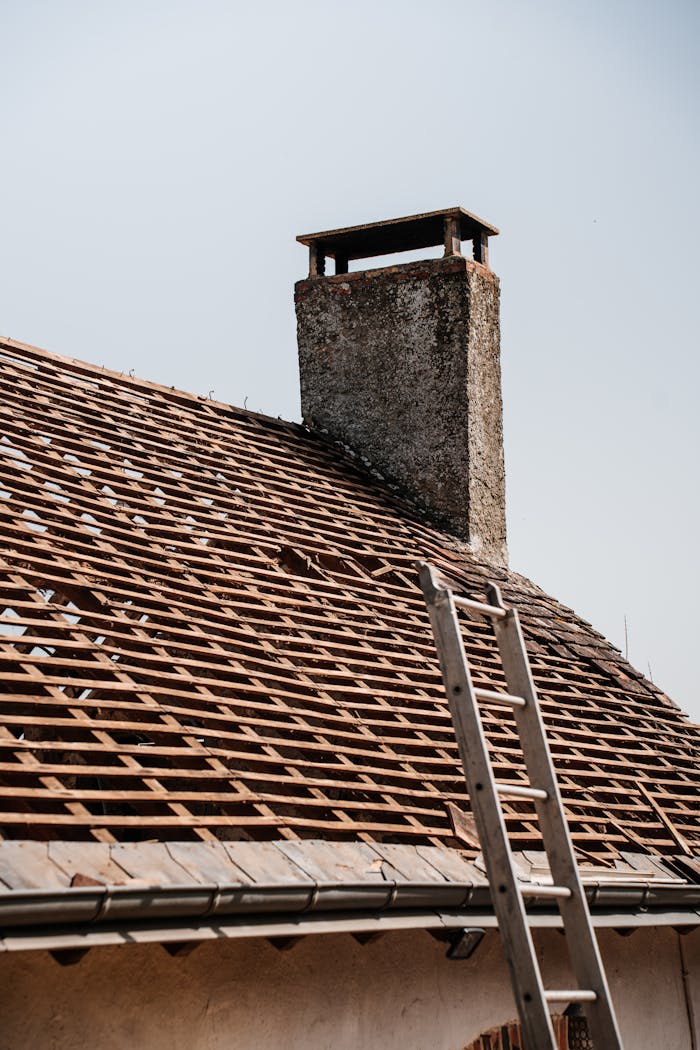
Additionally, many Glasgow slate roofs are now of considerable age, and their underlying timber battens and felt may be nearing the end of their serviceable life. It is strongly advisable to have the condition of the roof assessed by a qualified roofing contractor prior to any solar installation, as fitting panels to a roof that is already in poor condition is likely to accelerate deterioration and result in more significant repair costs in the medium term.
Concrete Tiled Roofs on Post-War Properties
Post-war properties across areas such as Castlemilk, Drumchapel, Bishopbriggs, and Rutherglen are commonly roofed with concrete interlocking tiles. These roofs are generally more straightforward to work with during solar installations, as concrete tiles are less brittle than natural slate and easier to lift and replace if required. Nonetheless, tiles that are cracked or displaced during installation must be replaced promptly to maintain the weathertightness of the roof.
Structural Load and Roof Capacity
Standard residential solar panels weigh in the region of 15 to 20 kilograms per panel, and a typical domestic installation of 10 to 16 panels will add several hundred kilograms of distributed load to the roof structure. For most modern properties and well-maintained older buildings in Glasgow, this is well within tolerable limits. However, for properties with weakened or ageing roof timbers — which can occur in the older tenements and villas of the city’s inner districts — a structural assessment is advisable before installation proceeds. A reputable solar installer will carry out or commission such an assessment as a matter of standard practice.
Conservation Areas and Listed Buildings in Glasgow
Glasgow has a number of designated conservation areas where additional planning restrictions apply, including the Hyndland Conservation Area, the Pollokshields Conservation Area, the Dowanhill Conservation Area, and the Strathbungo Conservation Area. In many cases, permitted development rights — which typically allow homeowners to install solar panels without formal planning permission — are restricted or removed in these areas.
Homeowners in conservation areas, or those whose property is a listed building, should consult Glasgow City Council’s planning department before proceeding with any solar installation. Installing panels without the appropriate consent in a conservation area can result in an enforcement notice requiring their removal, as well as potential liability for reinstatement of any roof damage caused during fitting.
Choosing a Qualified Solar Installer in Glasgow
Accreditation and Experience
To minimise the risk of roof damage during and following a solar installation, Glasgow homeowners should ensure they appoint an installer who holds relevant accreditations. Membership of the Microgeneration Certification Scheme (MCS) is the recognised industry standard in the United Kingdom and is a requirement for eligibility for the Smart Export Guarantee, the government scheme under which energy suppliers pay homeowners for surplus electricity exported to the grid.
In addition to MCS accreditation, homeowners should seek an installer with documented experience working on Glasgow’s range of roof types, including natural slate, concrete tile, and fibre cement. References from previous customers in the local area and a willingness to carry out a pre-installation roof survey are both positive indicators of a reputable contractor.
Roofs and Solar Panels
For Glasgow homeowners considering solar panels, the most important steps are to have the existing roof inspected before installation, to appoint an MCS-accredited installer with experience in the west of Scotland, and to check whether any planning or conservation area restrictions apply to your property. With the right preparation and a qualified contractor, solar panels can be a safe, effective, and long-lasting addition to your home.