Slate Roofs and Tiled Roofs in Glasgow
Durability and Lifespan
One of the most significant differences between slate and tile roofing is their respective lifespans. High-quality natural slate — particularly Scottish or Welsh varieties — can last in excess of 100 years when properly installed and maintained. Many of Glasgow’s Victorian slate roofs have been in place for well over a century and remain structurally sound.
Concrete interlocking tiles typically carry a manufacturer’s guarantee of 30 to 50 years, though in practice they may require replacement or significant maintenance before this period expires, particularly in areas exposed to severe Scottish weather. Clay tiles occupy a middle ground, with well-maintained examples lasting 60 to 80 years or more.
Glasgow Roofs
Glasgow’s rooftops reflect the city’s rich architectural history. From the Victorian tenements of Partick and Dennistoun to the sandstone villas of Pollokshields and the suburban streets of Bearsden and Newton Mearns, the roofing materials used across the city vary considerably depending on the age, style, and location of the property. For homeowners, landlords, and property developers across Greater Glasgow, understanding the key differences between slate roofs and tiled roofs is essential when planning repairs, replacements, or full renovations.
This article outlines the principal distinctions between the two roof types, covering materials, durability, appearance, maintenance, and cost — with specific reference to Glasgow’s unique housing stock and local planning requirements.
A Brief History of Roofing in Glasgow
Glasgow expanded dramatically during the Victorian and Edwardian periods, and the buildings constructed between 1850 and 1920 were almost universally roofed with natural slate. Much of this slate was sourced from the celebrated quarries at Ballachulish in Argyll and the Easdale Slate Islands off the Argyll coast — both of which supplied the Scottish construction industry for generations. Their product can be seen to this day on rooftops throughout the West End, the Southside, and the older residential districts north and south of the River Clyde.
The Shift Towards Tiled Roofing
As Glasgow expanded outward in the post-war decades, and as the cost of natural slate increased following the decline of the major Scottish quarries, concrete and clay tiles became increasingly common. Housing developments in areas such as Castlemilk, Drumchapel, and Easterhouse, as well as later private estates in Clarkston, Thornliebank, and Cambuslang, were frequently built with concrete interlocking tiles. These were cheaper to produce, faster to install, and required less specialist labour. By the latter half of the twentieth century, concrete tiles had become standard on new-build properties across Greater Glasgow.
What Is a Slate Roof?
A natural slate roof is composed of thin, flat slabs of metamorphic rock that have been carefully split along natural cleavage planes. The quality, colour, and longevity of the material varies depending on its geological source. In Glasgow’s traditional properties, three principal types of slate are commonly encountered.
Types of Slate Used in Glasgow
Scottish Slate
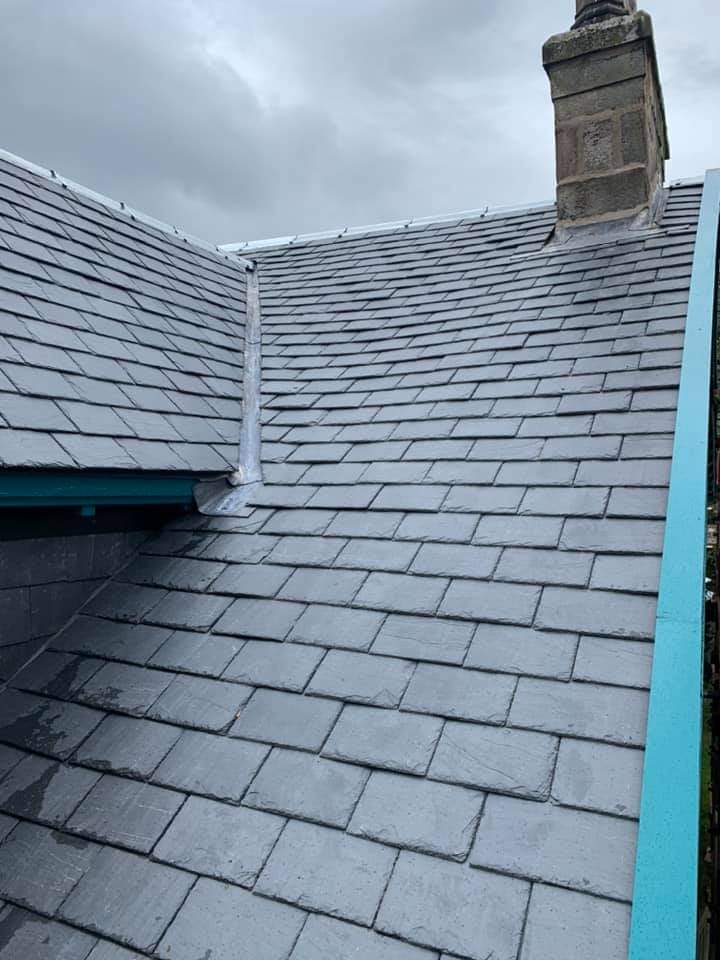
Scottish slate, particularly from the Ballachulish and Easdale quarries, is dark grey to blue-black in colour and is regarded as among the finest roofing slate in the world. Although large-scale quarrying in Scotland ceased during the twentieth century, reclaimed Scottish slate remains highly sought after for restoration work on historic Glasgow properties. Its use is often required by Glasgow City Council when repairing listed buildings or properties within conservation areas such as the Park Conservation Area in the West End and the Merchant City Conservation Area.
Welsh Slate
Welsh slate, sourced predominantly from quarries in Snowdonia — particularly Penrhyn and Ffestiniog — is widely used in Glasgow today as a replacement material. Available in blue-grey and grey-green tones, it is regarded as a high-quality alternative when original Scottish slate cannot be sourced. Many Glasgow roofing contractors use Welsh slate for like-for-like replacement work on Victorian and Edwardian properties throughout the city.
Spanish Slate
Spanish slate has become increasingly common across Glasgow over the past two decades, primarily due to its lower cost relative to British varieties. It is generally darker and more uniform in colour. While it performs adequately in the Scottish climate, specialist roofers widely consider it less durable than Scottish or Welsh slate. It is frequently used on mid-range residential properties and refurbishment projects across the city.
What Is a Tiled Roof?
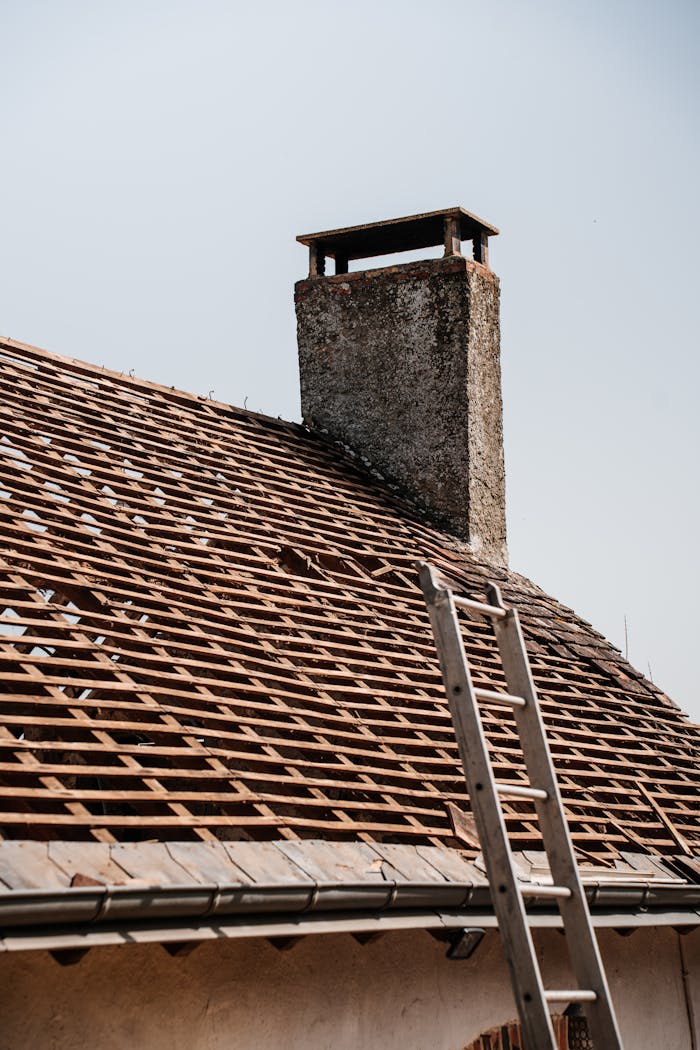
Tiled roofs are constructed using manufactured units of concrete, clay, or composite materials, laid in overlapping courses across a timber batten framework. Several distinct types are used across Greater Glasgow.
Types of Roof Tiles Used in Glasgow
Concrete Interlocking Tiles
Concrete interlocking tiles are the most commonly installed tile type on post-war residential properties across Greater Glasgow. Manufactured in a range of profiles — including flat, low-profile, and high-profile — they are available in a wide variety of colours, from slate-grey and charcoal to terracotta and brown. Properties in Rutherglen, Bishopbriggs, Bearsden, and Lenzie frequently feature these tiles. They are heavier than natural slate and require a roof structure designed to bear their additional weight, which is an important consideration on older Glasgow buildings.
Plain Clay Tiles
Plain clay tiles were common across Scotland prior to the widespread adoption of slate. Today they remain present on many older properties, particularly in the rural fringes of the Greater Glasgow area such as Eaglesham, Carmunnock, and parts of East Renfrewshire. Fired at high temperatures, clay tiles offer excellent durability and frost resistance — qualities well suited to the west of Scotland climate.
Fibre Cement and Reconstituted Slate Tiles
Fibre cement tiles replicate the appearance of natural slate at a considerably lower cost. They are lighter than concrete tiles and are sometimes used as a direct replacement on older roof structures. Reconstituted slate tiles, manufactured from a combination of natural slate aggregate and polymer resins, are used on properties where a traditional appearance is desired but budget does not extend to natural slate. Both products are widely used by Glasgow roofing contractors on refurbished properties and in areas where visual consistency with neighbouring buildings is desirable.
Key Differences Between Slate Roofs and Tiled Roofs
Weight and Structural Considerations
Natural slate is relatively lightweight compared to concrete tiles. A typical slate roof covering weighs approximately 25 to 35 kilograms per square metre, whereas concrete interlocking tiles can weigh between 40 and 55 kilograms per square metre. This difference is particularly relevant when replacing an existing roof covering on older Glasgow properties. Many tenements and Victorian terraces in Hyndland, Battlefield, and Strathbungo were originally designed for natural slate, and fitting heavier concrete tiles without a prior structural assessment can present long-term risk. A qualified roofing surveyor should always assess the underlying structure before a new material is specified.
Appearance and Kerb Appeal
The visual difference between slate and tile roofs is immediately apparent and has a significant bearing on a property’s character. Natural slate has an irregular, textured surface that varies subtly in tone and thickness, giving it depth and authenticity that is particularly well-suited to Glasgow’s Victorian and Edwardian architectural stock. Concrete tiles have a more uniform, manufactured appearance. In conservation areas and on listed buildings across Glasgow, planning authorities generally require like-for-like slate replacement rather than permitting substitution with concrete or fibre cement alternatives.
Maintenance Requirements
Maintaining a Slate Roof in Glasgow
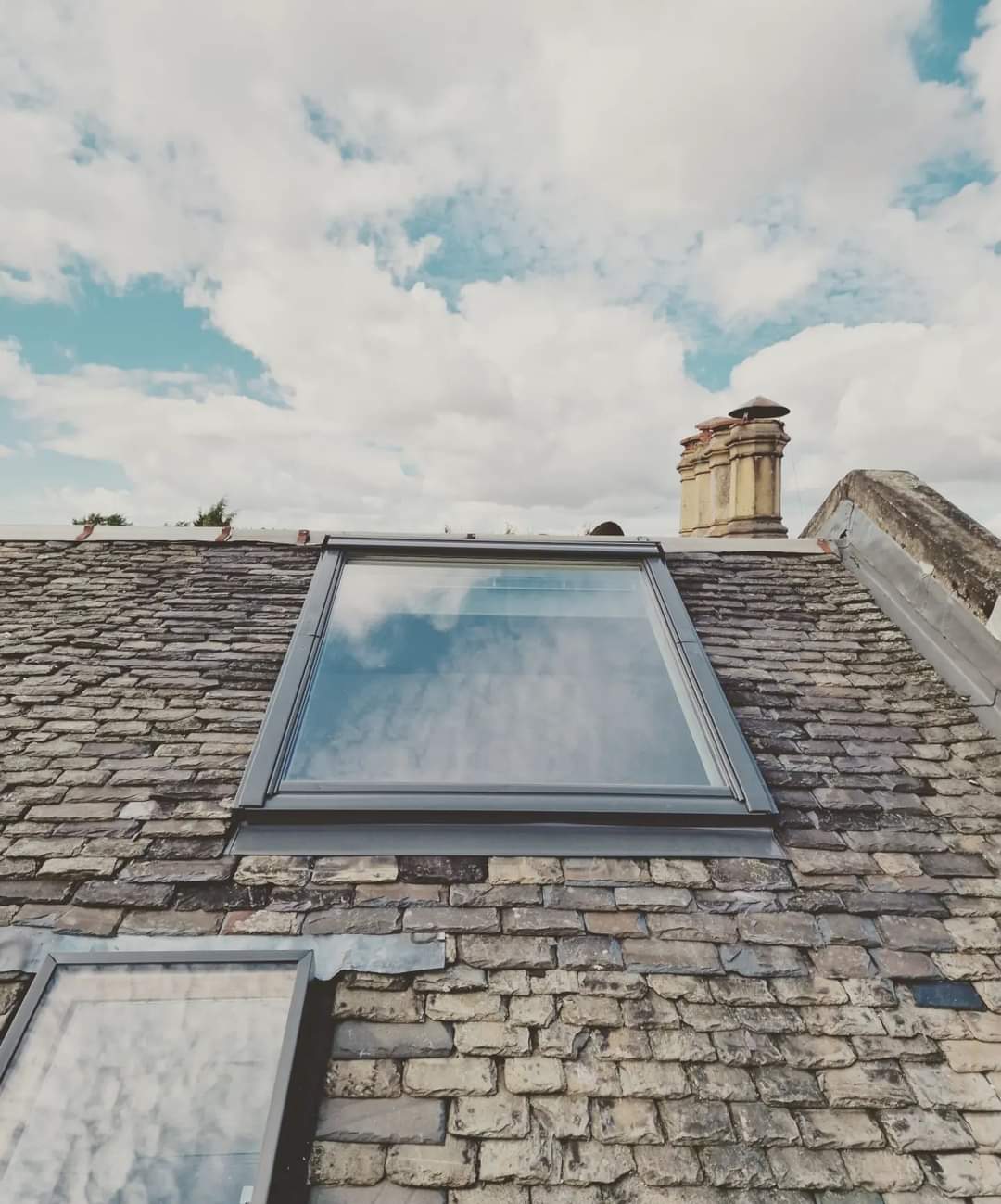
Slate roofs are generally low-maintenance when in good condition, but individual slates can crack, slip, or lose their fixing nails over time. The most common issue on Glasgow properties is nail sickness — a condition where the original iron or steel fixing nails corrode and fail, causing slates to slip. This is particularly prevalent on roofs installed in the late nineteenth and early twentieth centuries. When nail sickness affects a significant proportion of the roof, a full re-slate is generally recommended. Flashings around chimney stacks, skylights, and valley sections are a common source of leaks and should be inspected regularly, particularly following periods of heavy rain or frost.
Maintaining a Tiled Roof in Glasgow
Tiled roofs are susceptible to different issues. Ridge tiles, typically bedded in mortar, can become loose as the mortar deteriorates. Repointing or re-bedding of ridge tiles is one of the most common jobs carried out on Glasgow properties. Moss and algae growth is a notable issue on tiled roofs throughout the city, particularly on north-facing slopes and in sheltered positions where moisture accumulates. Regular cleaning and the application of biocidal treatments can help extend the life of a tiled roof and prevent moss from lifting tiles and allowing water ingress.
Cost Comparison
Natural slate is more expensive than concrete tile both as a material and in terms of installation. Scottish and Welsh slate carries a significant premium, and installation requires skilled tradespeople with experience in traditional roofing techniques. Concrete tiles are considerably less expensive per unit and faster to install, making them the more economical choice for new-build properties and straightforward replacement work. Fibre cement and reconstituted slate products occupy a middle price point, offering improved aesthetics over standard concrete tiles at a cost below natural slate.
Which Roof Type Is Right for Your Glasgow Property?
Listed Buildings and Conservation Areas
If your property is a listed building or falls within one of Glasgow’s designated conservation areas — including the Hyndland Conservation Area, the Dowanhill Conservation Area, the Pollokshields Conservation Area, or the Strathbungo Conservation Area — you are likely to be required by Glasgow City Council to use natural slate for any roof replacement or significant repair. It is strongly advisable to consult with the council’s planning department before undertaking any roofing works on such properties.
Victorian and Edwardian Properties
For properties built between approximately 1860 and 1930 — which accounts for a large proportion of Glasgow’s housing stock — natural slate, or at minimum a high-quality reconstituted slate product, is generally the most appropriate choice. These properties were designed with slate in mind, and the use of standard concrete tiles can alter their appearance significantly and, in some cases, affect structural performance.
Post-War and Modern Properties
For post-war housing and modern new-build properties across Greater Glasgow, concrete interlocking tiles or fibre cement products are entirely appropriate and cost-effective choices. These properties were constructed with heavier tile loads in mind, and there is no conservation or heritage obligation to use natural slate.
Choosing a Reputable Glasgow Roofing Contractor
When selecting a roofing contractor in Glasgow, homeowners should ensure that the company is a member of a recognised trade body such as the National Federation of Roofing Contractors (NFRC) or the Scottish Building Federation (SBF). It is advisable to obtain at least three written quotations before committing to any significant roofing work, and to request references from previous customers in the local area. Reputable contractors will carry full public liability insurance, provide a written specification of works, and be able to advise on the most appropriate materials for your specific property type and location.
Conclusion Roofing Slates or Tiles
The choice between a slate roof and a tiled roof in Glasgow is shaped by the age and character of your property, the requirements of local planning regulations, the structural capacity of your roof, and your long-term maintenance budget. Natural slate remains the gold standard for Glasgow’s historic buildings, offering unmatched longevity and aesthetic quality that is sympathetic to the city’s Victorian and Edwardian heritage. Modern tiled products provide a practical and cost-effective solution for newer properties and standard replacement work.
Whatever roofing material you choose, ensuring that the work is carried out by a qualified and experienced Glasgow roofing contractor is essential to protecting your property for years to come.