Is it Time to Get a New Roof in Glasgow?
A Complete Guide for Glasgow Homeowners
Key Warning Signs That You May Need a New Roof
Interior Warning Signs
Many of the first indications that a roof is failing appear inside the property, long before visible external damage is apparent. Glasgow homeowners should be alert to the following signs:
Water Stains and Damp Patches on Ceilings
Brown or yellowish water stains on ceiling plasterwork — particularly in top-floor rooms in areas such as Shettleston, Riddrie, or Cardonald — are a clear indication that water is penetrating the roof covering. Whilst isolated leaks can sometimes be traced to a specific slipped slate or failed flashing, widespread staining across multiple rooms may indicate systemic failure of the roof covering and the need for full replacement.
Daylight Visible Through the Roof Space
A simple but effective inspection method is to access the loft space on a bright day and look for points where daylight is visible through the roof timbers or covering. Any gaps, however small, allow water ingress and should be investigated immediately. In Glasgow’s wet climate, even minor penetrations can lead to significant timber decay within a relatively short period.
Sagging or Distorted Roof Timbers
Visible sagging in the roof structure, either externally along the ridge line or internally in the roof space, is a serious warning sign indicating potential structural failure. This can result from prolonged water ingress, timber rot, inadequate support, or the excessive weight of accumulated moss and debris. Properties in Glasgow’s older housing areas, including Govanhill and Tradeston, may have roof timbers dating back many decades that are particularly susceptible to this type of deterioration.
Mould, Mildew, and Condensation
Persistent mould growth on internal walls and ceilings, or condensation in the roof space, may indicate inadequate ventilation as well as water ingress. Modern roofing standards require adequate ventilation provision to prevent interstitial condensation. If a roof has been re-covered in recent decades without proper ventilation being installed, condensation-related dampness may be misdiagnosed as a roofing defect when ventilation improvement is the primary requirement.
Exterior Warning Signs
Regular external inspection of the roof — using binoculars from ground level if safe access is not possible — is advisable for all homeowners. Professional roof inspections by qualified roofing contractors in Glasgow are recommended every five to ten years as a precautionary measure.
Missing, Cracked, or Slipped Slates and Tiles
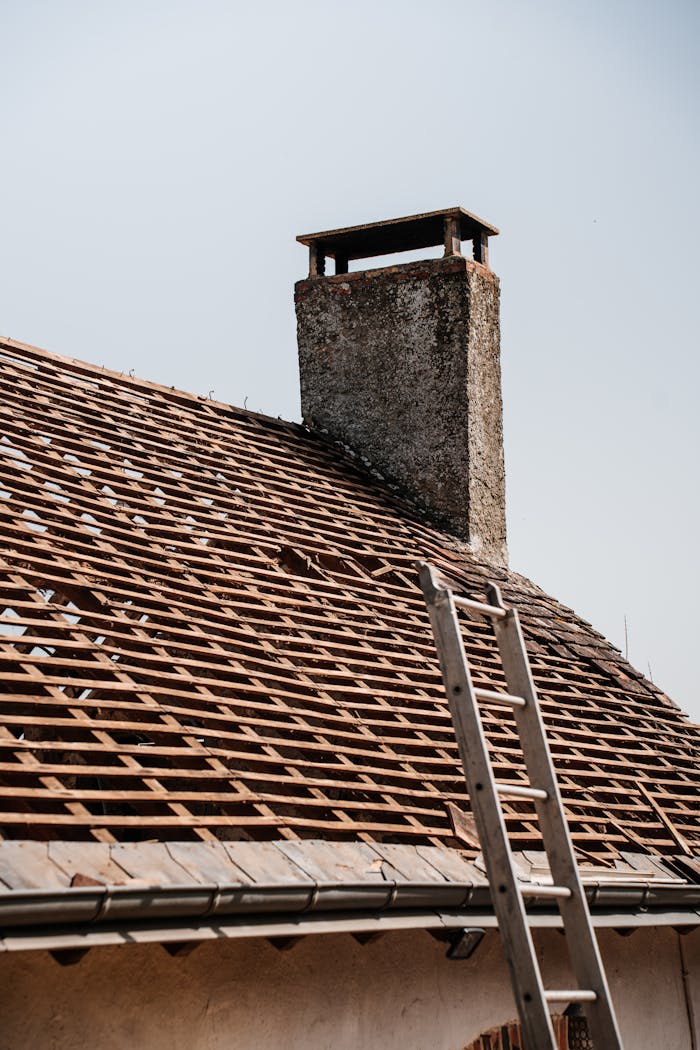
Individual missing or damaged slates and tiles can often be replaced on a like-for-like basis without the need for a full re-roof, provided the surrounding covering is structurally sound. However, where slippage is widespread — a condition sometimes referred to as ‘nail sickness’, where the original iron fixings have corroded — individual repairs become impractical and full replacement is the more cost-effective solution.
Deteriorated Ridge and Hip Pointing
The mortar bedding and pointing on ridge tiles, hip tiles, and verge details is a common maintenance requirement on older roofs. Crumbling, missing, or blown pointing allows wind and water to penetrate beneath the tiles, potentially dislodging them during storms. This is a frequent issue on properties throughout Glasgow’s south side, particularly in areas such as Battlefield, Langside, and King’s Park, where much of the housing dates from the inter-war period.
Moss, Algae, and Lichen Growth
Moss and lichen growth is endemic on roofs across Glasgow, accelerated by the city’s damp climate and shaded aspects. Whilst moderate moss growth does not necessarily indicate imminent roof failure, heavy accumulation can block gutters, hold moisture against the roof surface, and physically lift slates and tiles. Regular moss treatment and removal, combined with the installation of lead or zinc strips at the ridge to inhibit regrowth, is a cost-effective maintenance strategy. However, where moss has caused significant physical disruption to the covering, replacement may be the only viable option.
Visible Rust or Staining from Flashing
Rust staining running down from chimney stacks or dormer walls may indicate that lead or zinc flashing has failed and requires replacement. Failed flashing is one of the most common causes of roof leaks in Glasgow and does not always necessitate full roof replacement — in many cases, reflashing alone resolves the issue. However, where the adjacent roofing material is also deteriorated, a broader scope of work may be required.
Granule Loss on Flat Roofing
For properties with mineral-surfaced flat roof coverings, visible granule loss — often evident as bare, shiny patches or an accumulation of granules in the gutters — indicates advanced weathering and the approaching end of the covering’s service life. Bubbling, blistering, or lifting at the edges of a flat roof section similarly indicate that replacement, rather than patching, is the appropriate course of action.
For homeowners across Glasgow — from the red sandstone terraces of Dennistoun and Partick to the Victorian villas of Pollokshields and the modern estates of Darnley — the roof is one of the most critical components of any property. Glasgow’s climate is notoriously demanding: persistent rainfall, Atlantic gales, sub-zero winter temperatures, and the freeze-thaw cycles that characterise Scottish winters all take a serious toll on roofing materials over time.
Yet roof replacement is an investment that many homeowners delay, often until the damage has become severe and far more costly to address. This guide is designed to help Glasgow residents understand the key warning signs that indicate a new roof may be needed, the typical lifespan of different roofing types common in the city, and what to expect when commissioning roofing work in the local area.
Understanding Glasgow’s Roofing Landscape
Why Glasgow Properties Face Unique Roofing Challenges
Glasgow receives an average annual rainfall of approximately 1,150mm, significantly higher than the UK average. The city is also exposed to south-westerly winds from the Atlantic, which drive moisture into roofing structures and accelerate the deterioration of pointing, flashing, and roofing materials. Combined with the urban heat island effect and frequent freeze-thaw cycles during winter, Glasgow’s roofs endure conditions that can shorten their usable lifespan compared to those in drier, calmer regions of the UK.
Additionally, a large proportion of Glasgow’s housing stock dates from the Victorian and Edwardian eras, particularly in areas such as the West End, Shawlands, and Mount Florida. These older properties often feature original or early-replacement roofing that may now be reaching the end of its service life, making awareness of roof condition especially important for owners of period properties.
Common Roof Types Found Across Glasgow
Before assessing whether a new roof is needed, it is important to understand the type of roofing your property has, as different materials age and fail in different ways.
Scottish Slate Roofing
Traditional Scottish slate — sourced historically from quarries in Ballachulish in Argyll and Lochaber — remains one of the most durable roofing materials available. Many homes in Hyndland, Broomhill, and Dowanhill retain their original slate roofs, which, when properly maintained, can last well over 100 years. However, Scottish slate is no longer quarried in significant quantities, making like-for-like replacement increasingly expensive. Imported Spanish or Welsh slate is often used as an alternative, though purists note visible differences in colour and texture.
Concrete and Clay Interlocking Tiles
Post-war housing estates across areas such as Castlemilk, Drumchapel, and Easterhouse were predominantly built with concrete interlocking tiles, which offer a practical and cost-effective roofing solution. These tiles typically have a lifespan of 40 to 60 years, though the mortar bedding and pointing on ridge tiles tends to deteriorate sooner, often within 20 to 30 years. Signs of cracking, moss growth, and colour fade are common indicators that concrete tile roofs are nearing the end of their service life.
Flat Roofing — Felt, EPDM, and GRP
Many Glasgow properties — particularly bungalows, extensions, and tenement close roofs — incorporate flat or low-pitch roofing sections. Traditional felt (built-up bitumen) flat roofs have a relatively short lifespan of 10 to 15 years and are prone to ponding water, blistering, and splitting. Modern alternatives such as EPDM rubber membranes and GRP (fibreglass) systems offer significantly improved longevity, with lifespans of 25 to 50 years, and have become the preferred choice for replacement flat roofing projects across the city.
Lead and Zinc Flashing and Coverings
Lead flashing is used extensively around chimneys, dormer windows, and roof junctions throughout Glasgow’s older housing stock. Lead is extremely durable when correctly installed — with a potential lifespan exceeding 100 years — but it is a target for theft, a problem that has affected properties in several parts of the city in recent years. Zinc coverings are increasingly used on contemporary builds and extensions, offering both durability and an attractive modern aesthetic.
Fibre Cement and Artificial Slates
Fibre cement slates are a popular choice for re-roofing projects across Glasgow, offering a cost-effective alternative to natural slate with a lifespan of 30 to 40 years. Products such as Eternit and Marley fibre cement slates are widely used by local roofing contractors and carry manufacturers’ guarantees. Artificial slates made from recycled rubber or composite materials are also gaining traction, particularly on properties where matching the appearance of natural slate is a priority.
How Long Should a Roof Last? Typical Lifespans by Material
Expected Service Life of Common Glasgow Roofing Materials
Understanding the typical lifespan of different roofing materials provides a useful benchmark when assessing whether repair or replacement is the more appropriate course of action.
- Scottish or natural slate: 80 to 150 years (subject to nail condition and maintenance)
- Spanish or Welsh imported slate: 60 to 100 years
- Fibre cement slates (e.g. Marley, Eternit): 30 to 40 years
- Concrete interlocking tiles: 40 to 60 years
- Clay plain tiles: 60 to 100 years
- Traditional felt flat roofing: 10 to 15 years
- EPDM rubber flat roofing: 30 to 50 years
- GRP fibreglass flat roofing: 25 to 40 years
- Lead sheet coverings and flashing: 60 to 150 years
- Zinc coverings: 40 to 80 years
It is important to note that these are indicative ranges and actual lifespans are significantly affected by installation quality, maintenance history, and local exposure conditions. A slate roof on a well-sheltered property in the West End may outlast one on an exposed south-facing elevation in Giffnock by several decades, even when both roofs were laid at the same time.
The Decision: Repair or Full Roof Replacement?
When Targeted Repairs Are Sufficient
Not every roofing defect necessitates full replacement. In many cases, targeted repairs are the most appropriate and cost-effective response. Repairs are generally suitable when:
- Damage is localised to a small number of slates or tiles
- Flashings have failed but the surrounding covering is sound
- Ridge or hip pointing has deteriorated but the tiles themselves are intact
- A flat roof section requires localised patching on an otherwise serviceable covering
- The overall roof is less than half-way through its expected service life
A reputable Glasgow roofing contractor will provide an honest assessment of whether repair or replacement represents better value for money. Homeowners should be cautious of contractors who recommend wholesale replacement on roofs that can reasonably be repaired, as well as those who offer only temporary repairs on roofs that are clearly approaching end of life.
When Full Replacement Is the Better Option
Full roof replacement becomes the more sensible course of action in the following circumstances:
- The roof is beyond approximately two-thirds of its expected service life
- Nail sickness is widespread, causing multiple slates to slip
- Repeated repair visits have failed to resolve persistent leaks
- Structural timbers have been compromised by water ingress or rot
- The overall condition of the covering is poor across the majority of the roof area
- The property is undergoing substantial renovation and there is an opportunity to address the roof alongside other works
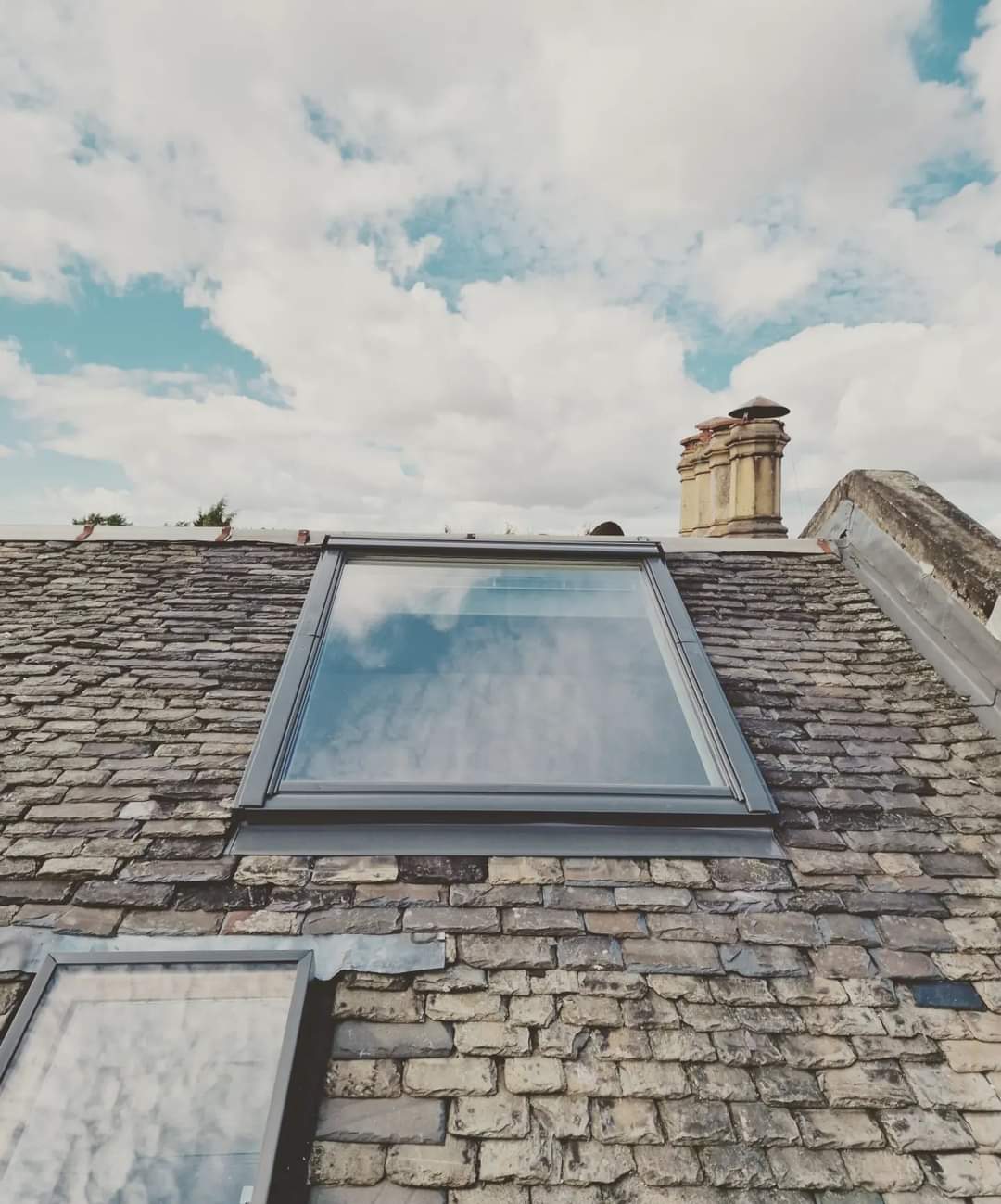
In some cases, it is also worth considering roof replacement as an opportunity to improve insulation, install new ventilation, upgrade skylights or Velux windows, or replace ageing leadwork. Combining these works into a single project can represent a more economical approach than addressing each element separately.
Costs and Considerations for Roof Replacement in Glasgow
Indicative Cost Ranges for Glasgow Roofing Projects
Roofing costs in Glasgow are influenced by the size and pitch of the roof, the material selected, access requirements (scaffolding is almost always required), and the specific location and condition of the property. The following figures are indicative ranges based on typical Glasgow projects and should be used as a general guide only — detailed quotations from qualified local contractors are always recommended.
- Single-storey rear extension flat roof replacement (EPDM): £1,500 to £3,500
- Full re-roof of a two-bedroom semi-detached house (fibre cement slate): £6,000 to £10,000
- Full re-roof of a three-bedroom detached villa (imported Spanish slate): £12,000 to £20,000
- Re-roofing a traditional Glasgow tenement close roof section: £4,000 to £8,000
- Natural Scottish slate re-roof on a period property: £18,000 to £35,000+
- Scaffolding alone for a typical two-storey Glasgow house: £800 to £1,500
VAT at the standard rate of 20% applies to most roofing work on residential properties, though reduced rates may apply in certain qualifying circumstances. All prices quoted above are exclusive of VAT.
Choosing a Reliable Glasgow Roofing Contractor
Glasgow has a large number of roofing contractors operating across the city and surrounding areas including Rutherglen, Cambuslang, Bishopbriggs, Bearsden, and Newton Mearns. When selecting a contractor, homeowners should consider the following:
Membership of Professional Trade Bodies
Membership of organisations such as the National Federation of Roofing Contractors (NFRC), the Scottish Roofing Contractor Association (SRCA), or the Confederation of Roofing Contractors (CORC) provides assurance of professional standards and access to dispute resolution procedures. Always verify membership status directly with the relevant trade body.
Insurance and Guarantees
All roofing contractors should carry public liability insurance of at least £2 million. Reputable companies will also offer a workmanship guarantee — typically five to ten years — backed by either the contractor’s own guarantee or a third-party insurance-backed guarantee scheme. Materials manufacturers such as Marley, Redland, and Sarnafil also offer extended product warranties on their roofing systems when installed by approved contractors.
References and Local Reputation
Glasgow’s roofing industry, like most trades, operates substantially on reputation. Seeking recommendations from neighbours, particularly within established communities such as Newlands, Giffnock, and Thornliebank, can be an effective way to identify reliable local contractors. Online reviews and before-and-after photographs of comparable projects are also useful indicators of workmanship quality.
Multiple Quotations
It is standard practice to obtain at least three quotations for any significant roofing project. Quotations should be itemised and specify the materials to be used, the scope of work, the estimated duration, and the terms of any guarantee offered. Significant discrepancies between quotations may indicate differences in the scope of work proposed or the quality of materials specified, and should be clarified before proceeding.
Planning Permission and Building Regulations in Glasgow
Do You Need Planning Permission to Replace a Roof in Glasgow?
In most cases, roof replacement on a private residential property in Glasgow does not require planning permission, as it falls within permitted development rights. However, planning permission may be required in the following circumstances:
- The property is a listed building — Glasgow has a significant number of Category A and B listed properties, particularly in the city centre, the West End, and historic areas such as Merchant City
- The property is located within a designated conservation area — these include areas such as Hyndland, Dowanhill, and parts of the South Side
- The proposed replacement materials would result in a material change in the external appearance of the building
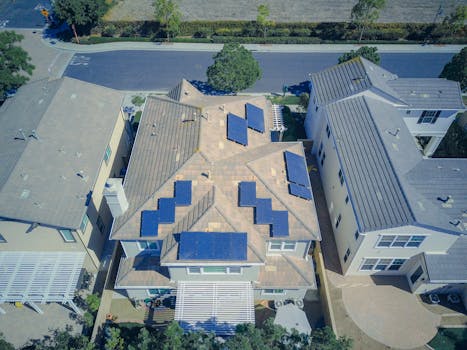
- The work involves the installation of solar panels or roof lights not meeting permitted development criteria
Homeowners are advised to check with Glasgow City Council’s planning department before commencing any roofing work on listed buildings or within conservation areas. Failure to obtain necessary consents can result in enforcement action and may complicate future property sales.
Building Regulations Compliance
Whilst planning permission may not be required, most roof replacement projects in Glasgow will be subject to Building Regulations under the Building (Scotland) Regulations 2004 and subsequent amendments. A building warrant from Glasgow City Council’s Building Standards department is typically required for any structural roofing work. Your roofing contractor should be familiar with local building standards requirements and should advise accordingly.
Building Regulations compliance ensures that the finished roof meets minimum standards for structural adequacy, weather resistance, thermal performance, and fire safety. This includes requirements for insulation levels under current Scottish Building Standards, which are more demanding than those in England and Wales.
Roofing Maintenance Tips for Glasgow Homeowners
Annual Inspection Routine
A proactive approach to roof maintenance is the most effective way to extend the service life of any roof and avoid the cost of premature replacement. The following annual maintenance routine is recommended for all Glasgow homeowners:
- Inspect the roof visually from ground level each spring and autumn, using binoculars to check for slipped or damaged slates, broken tiles, and deteriorated ridge pointing
- Clear gutters and downpipes of leaves and debris at least twice per year — autumn leaf fall and spring moss growth are the primary sources of blockage in Glasgow
- Check that all rainwater goods are securely fixed, free-flowing, and discharging correctly
- Inspect the interior of the roof space annually, ideally after heavy rain, for any signs of water ingress or condensation
- Have chimney stacks and associated flashings inspected every five years, particularly on properties in areas with older chimney infrastructure
The Importance of Timely Action
Perhaps the most important advice for any Glasgow homeowner is to act promptly when roofing defects are identified. A single slipped slate that allows water ingress over a winter season can, in Glasgow’s wet climate, cause significant damage to roof timbers, insulation, and internal plasterwork. The cost of addressing a minor repair early is invariably far lower than the cost of addressing the consequential damage that results from prolonged neglect.
Specialist roofing contractors covering Glasgow, East Renfrewshire, South Lanarkshire, and the wider west of Scotland area will typically provide a free initial inspection and quotation. Taking advantage of these services at the first sign of a potential issue is strongly recommended.
Conclusion
Deciding when to invest in a new roof is one of the most significant maintenance decisions a Glasgow homeowner will make. The city’s demanding climate, the age profile of its housing stock, and the variety of roofing types found across its neighbourhoods — from the traditional slate roofs of the West End to the concrete tile coverings of the post-war estates — mean that there is no single answer that applies to every property.
The key factors to consider are the age and condition of the existing covering, the nature and frequency of any defects that have arisen, the cost-benefit comparison between ongoing repairs and replacement, and the specific requirements of any planning or building standards consents that may apply.
By remaining attentive to the warning signs outlined in this guide, maintaining a programme of regular inspection and preventative maintenance, and engaging qualified and reputable local roofing contractors when work is required, Glasgow homeowners can make informed decisions that protect both their property and their investment for many decades to come.
This article is intended as a general guide for homeowners in the Glasgow area. For specific advice regarding your property, always consult a qualified and insured roofing contractor and, where applicable, Glasgow City Council’s planning and building standards departments.